Benefits of RFID in Warehouse Management
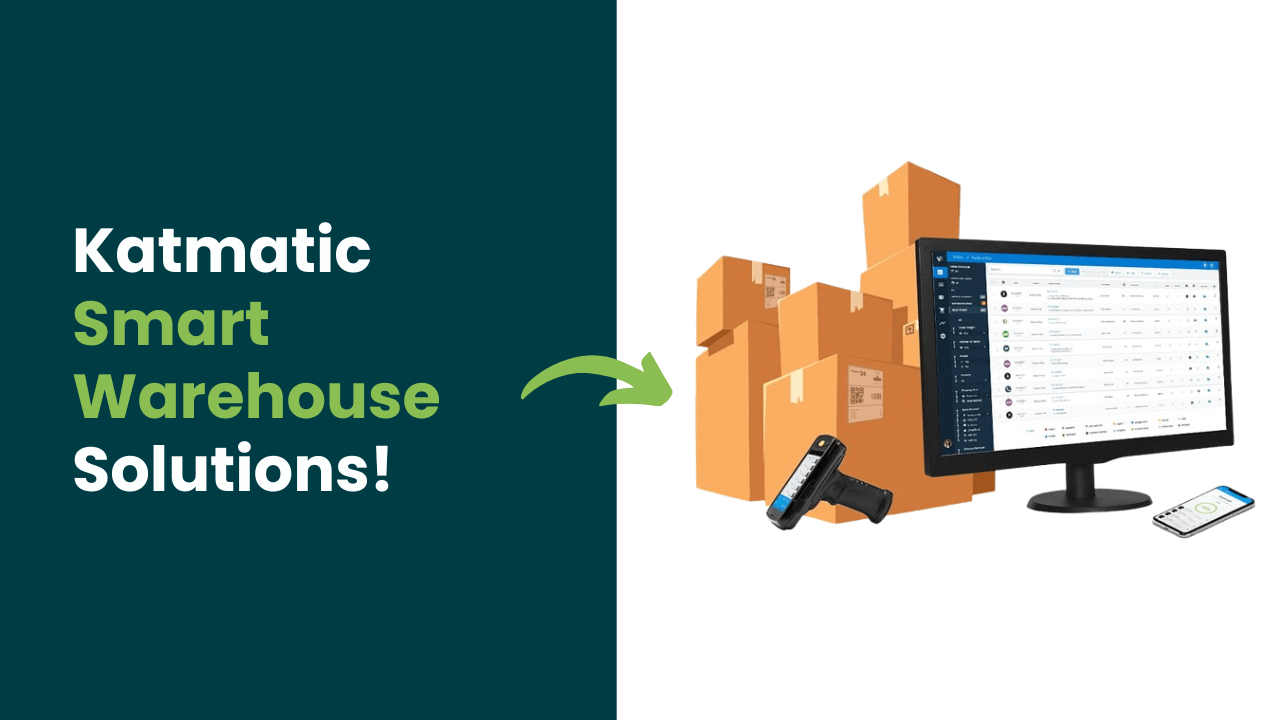
Enhance your warehouse with Katmatic Solutions: RFID-powered tracking, streamlined supply chains, real-time automation, and maximized profitability!

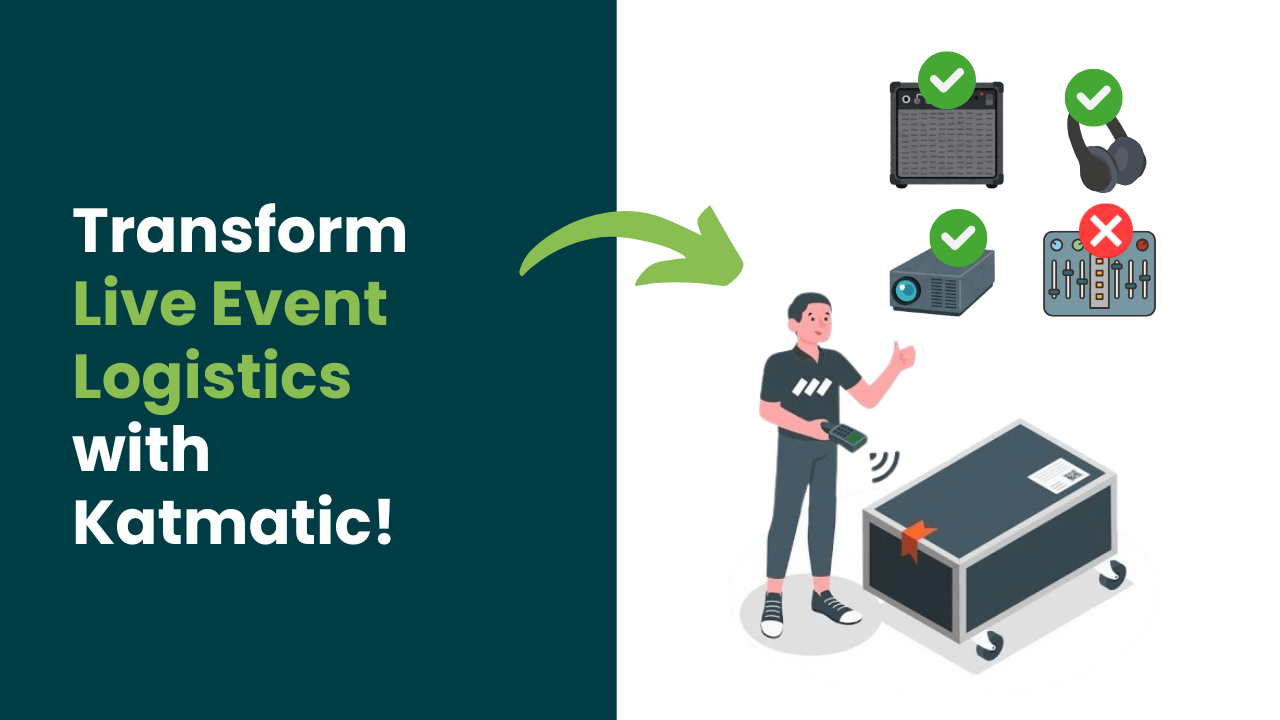
Live events are multi-level productions that require both precise planning and flawless execution. From the very start of the production to the very end of it, countless details must be managed, including the storage, tracking, and movement of essential equipment. Historically, these activities have been handled manually, which naturally often results in inefficiencies, errors, and delays. Nonetheless, because of the emergence of RFID live events can now be run in a more efficient way and be improved all the time. Understanding the Challenges of Live Event Logistics Live event production is a complex endeavor that requires meticulous planning and execution. From the moment the stage is set to the final curtain call, countless details must be managed, including the storage, tracking, and movement of essential equipment. Traditionally, these tasks have been handled manually, often leading to inefficiencies, errors, and delays. Here are some of the common challenges faced by event professionals: How Katmatic Solves These Challenges Traditional methods of managing equipment, from inventory to setup, can be time-consuming and error-prone. Lost or misplaced items, delayed setups, and security risks are common challenges that can significantly impact the success of any event. Katmatic offers a revolutionary solution to streamline your live event operations. Our innovative RFID technology empowers you to take control of your equipment, ensuring efficient storage, tracking, and movement. By equipping each asset with a unique identifier, we provide real-time visibility and automated management By leveraging Katmatic’s cutting-edge technology, event planners can focus on creating unforgettable experiences, while we take care of the logistics. To learn more about how Katmatic can transform your live event logistics, please contact us here or call us at +977 9808488415.
Discover how Katmatic successfully implemented RFID-enabled inventory management for Stoxx Sales, enhancing efficiency and accuracy for Cashmere Stories in Germany. Learn about the innovative approach and key benefits of this cutting-edge project.
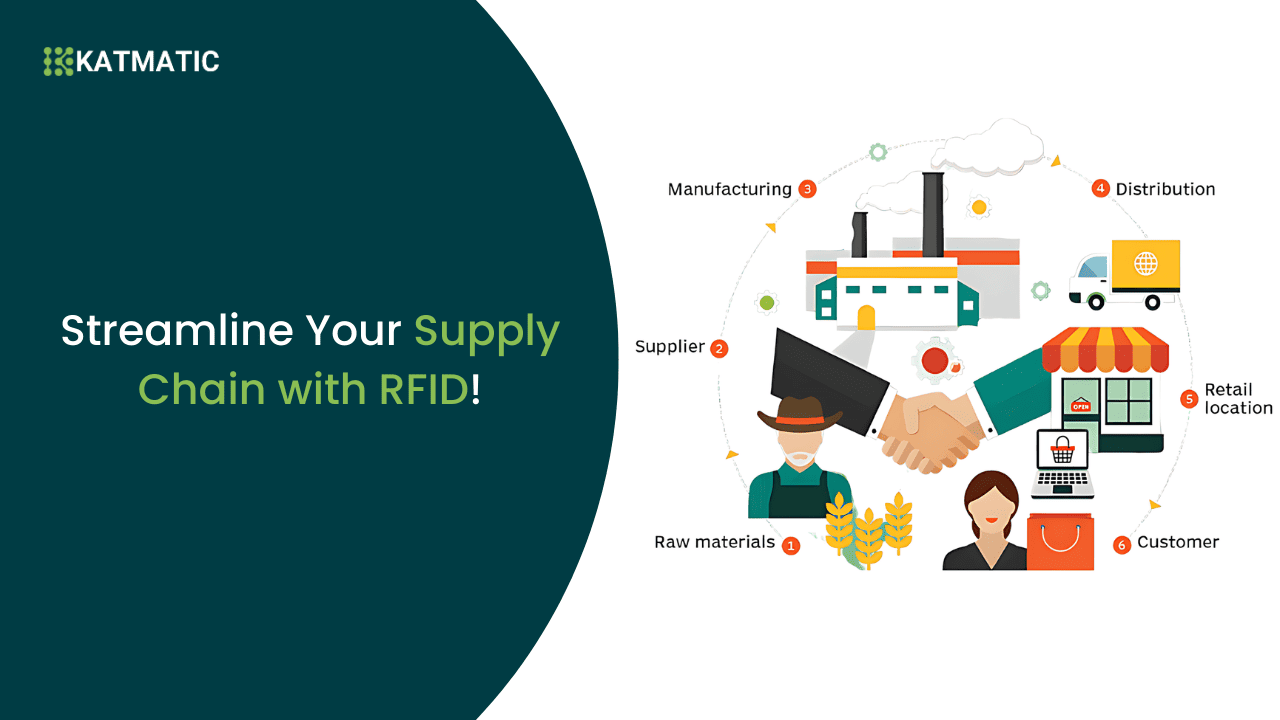
In today’s fast-paced business world, having a good supply chain management system is key. It helps make operations run smoother, keeps customers happy, and supports long-term growth. This guide will give you a clear view of what supply chain management systems are all about. You’ll learn about their main parts and how they can make your business run better. We’ll cover topics like managing inventory, improving logistics, and using data to make smart choices. By the end, you’ll know how to boost your supply chain and find new ways to succeed. Key Takeaways What is a Supply Chain Management System? A supply chain management system helps manage the flow of goods, services, and information. It covers planning, coordination, and optimization from start to finish. This includes everything from getting materials to making products to delivering them to customers. Understanding the Core Concepts At the core of a supply chain system are key ideas that work together for better operations. These ideas include: The Evolution of Supply Chain Management Supply chain management has changed a lot over time. This change is thanks to new technology, global markets, and what customers want. It has moved from simple, separate steps to complex, connected systems. This keeps up with the fast-changing business world. Era Focus Key Developments 1950s – 1980s Functional Silos – Fragmented approach to logistics and distribution– Limited integration between departments 1980s – 1990s Integrated Logistics – Coordination of transportation, warehousing, and inventory– Emergence of enterprise resource planning (ERP) systems 1990s – 2000s Global Supply Chains – Expansion of supply networks across borders– Increased focus on supplier relationships and collaboration 2000s – Present Digitalization and Optimization – Adoption of advanced technologies (e.g., IoT, AI, blockchain)– Data-driven decision-making and predictive analytics Thanks to its evolution, supply chain management has made companies more flexible, quick to adapt, and strong against changes. This helps them keep up with market shifts and customer needs. Key Components of an Effective Supply Chain Management System Creating a strong supply chain management system needs a deep knowledge of its main parts. These parts work together to make a supply chain that can handle today’s fast-paced business needs. Let’s look at the key parts that make up a good supply chain management system. Inventory Management Good inventory management is key to a successful supply chain. It means keeping the right amount of products, having them when needed, and cutting down on waste. Using just-in-time inventory and demand forecasting is very important here. Logistics and Transportation The logistics and transportation parts of a supply chain manage how goods move, from raw materials to finished products. This includes making the best routes, managing fleets, and combining different transport ways for quick and affordable delivery. Data Analytics and Insights A strong supply chain uses data analytics and insights to make smart choices. By using big data and advanced analytics, companies can spot trends, predict demand, and make their supply chains better. Supply Chain Management System Components Supply Chain Management System Features Inventory Management Just-in-Time Inventory, Demand Forecasting Logistics and Transportation Route Optimization, Fleet Management Data Analytics and Insights Big Data, Predictive Analytics Enterprise Resource Planning (ERP) Integration Seamless Data Sharing, Improved Visibility By knowing and using these key parts, companies can create a supply chain system that meets their needs now and in the future. This leads to sustainable growth and success. Optimizing Inventory Management with Supply Chain Management System Effective inventory management is key to a successful supply chain. A supply chain management system helps businesses improve their inventory strategies. This leads to lower costs and happier customers. Just-in-Time Inventory Strategies A supply chain management system makes just-in-time inventory possible. This method keeps inventory levels low by ordering only what’s needed. It matches production with customer orders, cutting down on waste and storage costs. Demand Forecasting and Planning Forecasting demand is vital for a good supply chain plan. A well-designed system uses past data and trends to predict future demand. This helps businesses adjust their plans to meet customer needs without having too much inventory. Using supply chain management system inventory optimization, just-in-time inventory, and demand forecasting helps streamline operations. It lowers costs and boosts supply chain planning skills. “Effective inventory management is the foundation of a resilient supply chain. Supply chain management systems empower businesses to optimize their inventory strategies, reduce costs, and delight customers.” Enhancing Logistics and Transportation with Supply Chain Management System A strong supply chain management system is key to making your logistics and transportation better. It uses smart route planning and fleet management to make your deliveries faster, cheaper, and more efficient. Revolutionizing Route Optimization Advanced algorithms in a supply chain system look at lots of data. This includes traffic, delivery times, and how much each vehicle can carry. They create the best delivery routes. This cuts down on fuel use and costs, and makes sure deliveries are on time and reliable. Empowering Fleet Management A good supply chain system also changes how you manage your fleet. It uses GPS tracking, keeps track of vehicle maintenance, and looks at driver performance. This helps use your fleet better, cuts down on downtime, and keeps your transportation safe and efficient. Using a supply chain management system for logistics and transportation can bring your business to new heights of success. It gives you a big edge in today’s fast-changing market. Leveraging Data Analytics in Supply Chain Management System In today’s world, supply chain management systems (SCMS) use data analytics to make better decisions. They combine big data and predictive analytics to find insights that help improve supply chain operations. Big Data and Predictive Analytics SCMS gather and analyze lots of data from sources like inventory, supplier performance, customer demand, and logistics. This data helps find patterns and trends that were hard to see before. Predictive analytics uses this data to predict demand, spot supply chain problems, and manage inventory better. By knowing what might happen, companies can quickly change their plans to stay ahead in the market. Benefits of … Read more